
Why Some People Recover Successfully While Others Relapse

Recovery from addiction is not the same for everyone. Some individuals remain committed to sobriety after treatment, while others experience relapse even after making genuine efforts to recover. The difference is rarely about willpower alone. Factors such as treatment quality, emotional health, family support, coping skills, environment, and aftercare can all influence long-term recovery. Seeking professional guidance from the Best Nasha Mukti Kendra in Patiala can help individuals develop the skills and support system needed to maintain lasting recovery. Recovery Is More Than Quitting Substance Use Stopping alcohol or drugs is an important first step, but successful recovery involves much more. Individuals need to understand what contributed to their addiction and learn healthier ways to deal with stress, emotional difficulties, cravings, and difficult situations. Without addressing these underlying factors, a person may return to old habits when faced with pressure or familiar triggers. Why Some People Recover Successfully They Follow a Structured Treatment Plan People who actively participate in their treatment are often better prepared to handle challenges after rehabilitation. Counseling, behavioral therapy, medical support, and recovery education can provide practical tools for managing cravings and difficult emotions. They Identify Their Triggers Successful recovery often involves recognizing situations that increase the risk of substance use. Triggers may include certain people, places, emotions, conflicts, stress, or memories. Once these triggers are identified, individuals can develop strategies to respond to them without returning to substance use. They Build a Strong Support System Recovery can become difficult when someone feels isolated. Supportive family members, friends, counselors, and recovery groups can provide encouragement and accountability. Having people to speak with during challenging moments can make it easier to stay focused on recovery. They Develop Healthy Daily Habits A structured lifestyle can help reduce unnecessary stress and create stability. Regular sleep, physical activity, nutritious food, meaningful activities, and productive routines can support overall well-being. Replacing unhealthy habits with positive activities also gives individuals a stronger sense of purpose. Why Relapse Can Happen Relapse does not necessarily mean that treatment has failed. Addiction recovery can involve setbacks, and several factors may contribute to returning to substance use. Overconfidence After Initial Recovery After feeling better for some time, a person may believe they can use a substance occasionally without losing control. This can quickly become a serious risk. Unmanaged Stress Work pressure, relationship problems, financial concerns, or emotional distress can create powerful cravings. Without healthy coping strategies, individuals may return to familiar patterns. Returning to an Old Environment Spending time with people who continue using substances or returning to places associated with past substance use can increase temptation. Stopping Support Too Early Some people discontinue counseling or aftercare once they feel stable. However, continued support can be valuable, particularly during periods of major change or stress. The Importance of Aftercare Recovery does not end when a rehabilitation program is completed. Aftercare helps individuals transition back into everyday life while maintaining the progress achieved during treatment. Aftercare may include follow-up counseling, support groups, relapse-prevention planning, and regular communication with recovery professionals. These services can help identify warning signs early and provide additional support when difficulties arise. How Family Support Can Reduce Relapse Risk Family members can play an important role in long-term recovery. Encouragement, understanding, and healthy communication can help individuals feel supported. However, support should not mean ignoring harmful behavior. Families can establish clear boundaries while continuing to encourage treatment and healthy choices. Learning From a Relapse If relapse occurs, it is important to respond quickly rather than allowing shame or guilt to prevent someone from seeking help. A relapse can highlight specific triggers or weaknesses in an existing recovery plan. Professional support can help identify what happened, adjust the treatment approach, and develop stronger strategies for future challenges. Building a Recovery That Lasts Long-term recovery is built through consistent choices rather than a single decision. Individuals who remain engaged with treatment, avoid high-risk situations, maintain healthy routines, and seek support when needed can strengthen their ability to stay sober. For families considering the Best Nasha Mukti Kendra in Himachal Pradesh, it is important to choose a centre that focuses not only on immediate treatment but also on emotional well-being, relapse prevention, family involvement, and continued recovery support. Successful recovery is possible, but it requires patience, commitment, and the right support. With professional guidance and a strong recovery plan, individuals can overcome setbacks, rebuild their confidence, and move toward a healthier and more stable future.
The Impact of Addiction on Mental Health and Self-Identity

Addiction can affect far more than a person’s physical health. Over time, substance dependence may change the way individuals think, feel, behave, and view themselves. Many people gradually lose confidence, struggle with relationships, and feel disconnected from the person they once were. Seeking timely professional support from a Best Rehabilitation Centre in Punjab can help individuals begin addressing both addiction and the emotional challenges connected with it. How Addiction Affects Mental Health Addiction and mental health are closely connected. Substance use may initially seem like a way to escape stress, emotional pain, loneliness, or difficult experiences. However, continued use can make emotional problems more difficult to manage. Individuals struggling with addiction may experience: These challenges can affect everyday life, making it difficult to maintain relationships, work responsibilities, and personal goals. Professional treatment can help individuals understand these patterns and develop healthier ways to cope with difficult emotions. When Addiction Changes Self-Identity Self-identity is the way people understand themselves, including their values, goals, relationships, and sense of purpose. Addiction can gradually affect this identity. A person who once saw themselves as a responsible parent, professional, student, or supportive family member may begin feeling defined only by their addiction. Repeated struggles, broken promises, and negative experiences can lead to thoughts such as, “I cannot change” or “I am not good enough.” Over time, individuals may stop participating in activities they once enjoyed and distance themselves from people who care about them. This can create a strong sense of isolation and make recovery feel even more difficult. The Cycle of Guilt and Substance Use One of the most challenging emotional effects of addiction is the cycle of guilt and substance use. A person may use substances to escape emotional pain. Later, the consequences of substance use can create guilt, shame, and regret, which may increase the desire to use substances again. Breaking this cycle often requires more than willpower alone. Counseling and professional rehabilitation can help individuals identify triggers, understand emotional patterns, and learn healthier coping strategies. Treatment focuses on helping patients recognize that addiction does not define their entire identity. Recovery can provide an opportunity to rebuild confidence and reconnect with personal values and goals. The Importance of Emotional Healing During Recovery Recovery is not only about stopping substance use. Emotional healing is also an important part of the process. Individuals may need time to understand the experiences that contributed to addiction and address the effects it has had on their lives. Counseling and therapy can help patients: With consistent support, individuals can begin replacing negative thoughts with a healthier and more balanced view of themselves. Rebuilding Self-Identity After Addiction Recovery can give individuals the opportunity to rediscover who they are beyond addiction. This process may involve reconnecting with family, returning to hobbies, developing new interests, or setting goals for the future. Rebuilding self-identity does not happen overnight. Small positive changes can make a meaningful difference. Maintaining healthy routines, participating in therapy, and surrounding oneself with supportive people can help strengthen confidence over time. It is also important to recognize progress. Every healthy decision, recovery milestone, and positive change can remind individuals of their ability to move forward. The Role of Family and Support Systems Addiction can affect the entire family, but loved ones can also play an important role in recovery. Supportive communication can help individuals feel understood without encouraging harmful behavior. Family members can contribute to the healing process by learning about addiction, participating in counseling when appropriate, and maintaining healthy boundaries. Recovery often becomes stronger when individuals have a positive support system around them. At the same time, family members should understand that recovery is a personal journey. Patience, encouragement, and professional guidance can help create a healthier environment for everyone involved. Professional Support Can Help Create a New Beginning For many people, asking for help is one of the most difficult steps. Feelings of shame or fear may prevent them from seeking treatment. However, professional rehabilitation provides a structured environment where individuals can focus on recovery and emotional well-being. A comprehensive treatment approach may include counseling, behavioral therapies, group support, family involvement, and relapse-prevention planning. These services can help individuals address both the challenges of addiction and the emotional effects that may have developed over time. Conclusion Addiction can significantly affect mental health and cause individuals to lose confidence in their identity, relationships, and future. However, recovery can offer an opportunity to heal, rebuild self-worth, and rediscover a sense of purpose. With professional treatment, emotional support, and continued commitment, positive change is possible. For individuals and families searching for the Best Nasha Mukti Kendra in Punjab, choosing a supportive treatment centre with a focus on both addiction recovery and emotional healing can be an important first step toward rebuilding a healthier and more meaningful life.
How Addiction Changes a Family and How Healing Brings It Back Together
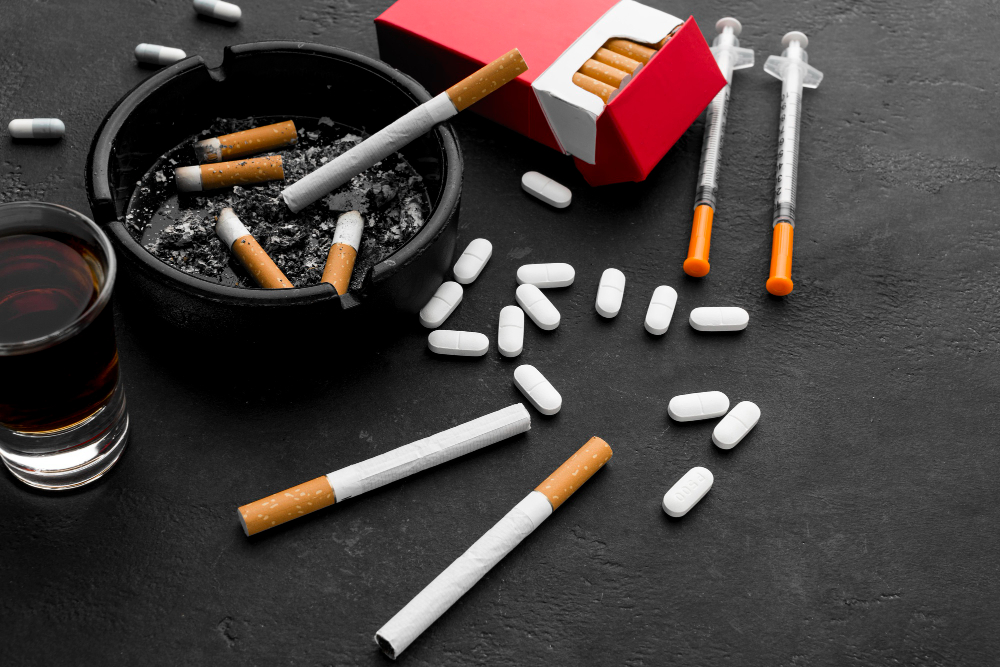
Addiction does not affect only the person struggling with drugs or alcohol. It can gradually change the entire family dynamic, creating stress, mistrust, communication problems, and emotional distance. Parents may constantly worry about their child, spouses may struggle with broken trust, and children may experience confusion or fear. Finding professional support can help families begin the healing process. Choosing a Best Rehabilitation Centre in Punjab can provide the structured care, counseling, and guidance needed to support both the individual and their loved ones. How Addiction Affects Family Relationships When addiction becomes part of everyday life, family members often find themselves adapting to unpredictable situations. Missed responsibilities, financial difficulties, mood changes, and repeated promises to quit can gradually weaken relationships. Some common effects include: Over time, family members may begin focusing entirely on managing the addiction instead of maintaining healthy relationships. The Emotional Burden on Loved Ones Living with someone affected by addiction can be emotionally exhausting. Family members may experience anger, sadness, guilt, frustration, or helplessness. Parents may wonder whether they could have done something differently, while spouses may struggle to understand why their loved one continues using substances despite the consequences. It is important to remember that addiction is a complex condition. Blaming either the individual or the family rarely solves the problem. Professional guidance can help everyone understand addiction and approach recovery in a healthier way. When Trust Begins to Break Trust is often one of the first things affected by addiction. Individuals may hide their substance use, make promises they cannot keep, or borrow money to support their addiction. Even after they decide to recover, family members may find it difficult to trust them immediately. Rebuilding trust takes time. It requires consistent actions rather than promises. Small changes, honest communication, responsible behavior, and continued participation in treatment can gradually help repair damaged relationships. How New Nav Jyoti Care Foundation Supports Families At New Nav Jyoti Care Foundation, recovery is viewed as more than simply stopping substance use. Families also need guidance to understand what their loved one is experiencing and how they can provide appropriate support. The rehabilitation process may include counseling, behavioral therapies, group sessions, family support, and relapse-prevention planning. These approaches can help individuals understand their triggers while giving families practical ways to communicate and encourage healthier behavior. A supportive environment can make it easier for patients to focus on recovery without feeling judged or isolated. At the same time, family involvement can help create stronger emotional connections that continue after treatment. The Role of Family Counseling Family counseling can be an important part of addiction recovery. It creates a safe space where family members can discuss concerns, express emotions, and learn healthier communication techniques. Family counseling may help with: Improving Communication Instead of blaming or criticizing one another, family members can learn to communicate their concerns calmly and clearly. Understanding Addiction Education about addiction can help families understand why recovery may involve setbacks and why professional treatment can be necessary. Rebuilding Relationships Open conversations and consistent support can gradually help repair emotional connections that were damaged by addiction. Establishing Healthy Boundaries Supporting someone does not mean accepting harmful behavior. Families can learn how to maintain boundaries while still offering encouragement. Recovery Can Bring Families Closer Although addiction can create significant challenges, recovery can also become an opportunity for families to rebuild their relationships. As individuals begin developing healthier routines and taking responsibility for their actions, family members may slowly regain confidence in them. Simple activities can help strengthen these connections: Healing does not happen overnight. Every positive step can contribute to restoring family stability. Supporting Recovery After Rehabilitation Completing rehabilitation is an important milestone, but family support remains valuable afterward. Returning to everyday life can bring familiar stressors and triggers, making continued guidance important. Families can support long-term recovery by encouraging healthy routines, avoiding unnecessary judgment, recognizing progress, and staying alert to possible warning signs of relapse. At the same time, family members should also look after their own emotional well-being. Supporting someone through addiction can be demanding, and seeking professional guidance when needed can benefit the entire household. Moving Forward Together Addiction can leave families feeling disconnected, but it does not have to define their future. With professional treatment, patience, communication, and consistent support, relationships can gradually become stronger again. For families searching for the Best Nasha Mukti Kendra in Punjab, choosing a facility that combines professional addiction treatment with emotional and family support can be an important step toward lasting recovery. Healing is a journey for the whole family. When individuals receive the right treatment and loved ones learn how to support recovery without losing healthy boundaries, families can begin rebuilding trust, restoring relationships, and creating a more hopeful future together.
The Power of Routine: How Structured Daily Habit-Building Defeats Addiction

Conquering an addiction is not usually a matter of simply using one’s will power. From personal experience, watching a loved one go through such a struggle or going through the struggle themselves, there is an understanding that the substance is just the beginning. The challenge comes when relearning what to do with the rest of the time.In active addiction, all of the time becomes filled by the chaotic loop of hunting for, consuming, and detoxifying from the substance. When the cycle ends, it creates a large and frightening void. This is when the structured environment of a modern rehabilitation center, or Nasha Mukti Kendra, becomes an actual lifesaver. You need to visit the Best Nasha Mukti Kendra in Himachal Pradesh. By turning erratic behavior into reliable patterns of health, structure creates the neural wiring necessary for sobriety. 1. The Neuroscience of Structure: Rewiring the Addicted Brain Addiction takes over the reward centers of the brain, in particular dopamine. Chemicals and alcohol fill the brain with pleasure, and the brain learns not to be happy with the normal activities of life anymore. Without the chemicals, the brain lacks dopamine, resulting in strong cravings, irritability, and low moods. A strict schedule is medicine for a recovering brain. As an individual maintains consistent wake-up times, mealtimes, exercise times, and therapy sessions, their mind is calmed. Routine lowers cortisol and adrenaline in the body. In addition, by achieving small tasks every day, the body continuously receives dopamine in a healthy and moderate form. This reprogramming shows the brain that it is possible to feel fulfilled and secure without chemicals. 2. Breaking the “Idleness Trigger” Through Micro-Habits There is a saying among the recovery community that “an idle mind is the devil’s workshop”. As far as detoxification is concerned, idleness is the worst trigger. Idleness will obviously lead to overthinking and reminiscence of bad habits. Routines counteract idleness by breaking up the day into small units of activities. In a professional recovery environment, a typical day will be organized to ensure that there is no room left for isolation: Only concentrating on the next small task—be it making the bed or participating in group therapy—makes the idea of “forever” into hourly accomplishments. 3. Replacing Maladaptive Coping with Emotional Outlets Individuals do not begin using substances to ruin their lives but rather to numb themselves from any sort of emotional suffering, pain, trauma, and stress. Once stress inevitably sets in while someone is in recovery, that person who does not have a schedule of some kind will automatically fall back on his or her old coping technique – the substance. Through scheduling daily activities, mandatory healthy outlets of emotional release become a part of one’s day. Sessions dedicated to individual psychotherapy, CBT, and group sharing sessions make individuals develop a habit of dealing with their emotions on a conscious level. Instead of suppressing anxiety, they begin speaking about it. 4. Rebuilding Self-Esteem Brick by Brick Addiction robs a person of dignity, self-respect, and self-confidence. The promises made to family are not kept, responsibilities are forgotten, and self-respect is lost. A person cannot be talked into having self-respect again; they must regain it through actions. The structure becomes the vehicle through which these actions can be carried out. Once a person manages to commit to an exercise for 30 days, 60 days, or 90 days, there is a very deep change that happens within them. By waking up at a certain time each day, by doing the chores on time, and by appearing before people in time makes one reliable. It gives one the assurance about his/her identity. One is no longer an addict but a reliable individual. The Ultimate Benefit: Creating a Shield for the Real World However, the true proof of the routine followed by a Nasha Mukti Kendra lies not within the four walls but outside when the individual comes out to face reality. The foremost cause of the relapse of an individual after the period of his stay at the center can be attributed to the sudden shock due to the absence of any routine in freedom. Nevertheless, the individual who has been following a routine throughout the period of his stay is protected by an invisible armor. Conclusion Beating an addiction is not about battling the past. Instead, it is about constructing a new future which is so structured and well organized that there is simply no place left for the addictions to fit into.
Top Nasha Mukti Kendra in Punjab with High Recovery Rate
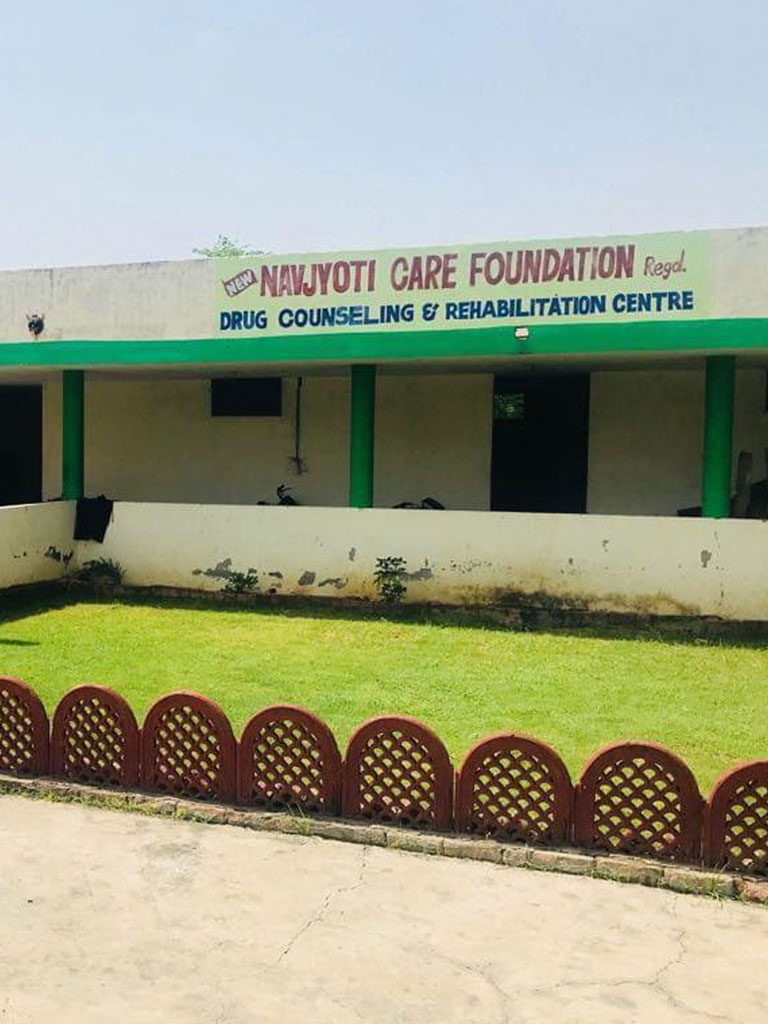
Addiction can affect every aspect of life, including physical health, mental well-being, relationships, and career. Finding the Best Nasha Mukti Kendra in Punjab is one of the most important steps toward lasting recovery. A professional rehabilitation centre offers structured treatment, experienced counselors, medical support, and a compassionate environment that helps individuals overcome substance dependence and rebuild their lives. Why Choosing the Right Rehabilitation Centre Matters Recovery is not just about quitting alcohol or drugs—it is about understanding the root cause of addiction and learning healthy ways to live without substance dependence. A trusted rehabilitation centre provides personalized treatment plans that address both the physical and psychological aspects of addiction. When choosing a de-addiction centre, consider factors such as experienced medical professionals, qualified therapists, individualized treatment programs, family counseling, relapse prevention strategies, and aftercare support. Features of a High Recovery Rate Nasha Mukti Kendra A rehabilitation centre with a strong recovery record typically focuses on long-term healing rather than short-term detoxification. Comprehensive Medical Care Professional medical supervision ensures safe detoxification while managing withdrawal symptoms effectively. Regular health assessments help patients recover comfortably and safely. Personalized Treatment Programs Every individual’s addiction journey is different. Customized treatment plans are designed after evaluating the patient’s medical history, addiction severity, and mental health condition. Psychological Counseling Individual therapy, group counseling, and behavioral therapy help patients understand addiction triggers, develop coping skills, and improve emotional well-being. Importance of Holistic Rehabilitation Recovery becomes more successful when treatment focuses on the overall well-being of the patient. A reputed Best Rehabilitation Centre in Patiala offers holistic therapies that complement medical treatment. These may include: Such therapies help patients regain confidence and develop a healthier lifestyle after treatment. Role of Family Support During Recovery Family involvement plays a significant role in successful rehabilitation. Counseling sessions educate family members about addiction, improve communication, and create a supportive home environment that encourages long-term recovery. A positive support system significantly reduces the chances of relapse. How to Identify a Trusted Nasha Mukti Kendra Before selecting a rehabilitation centre, look for: Choosing a centre that prioritizes long-term recovery ensures better treatment outcomes. Why Choose New Navjyoti Care Foundation? New Navjyoti Care Foundation is dedicated to helping individuals achieve a drug-free and alcohol-free life through compassionate care and evidence-based treatment. The centre provides medical detoxification, psychological counseling, behavioral therapy, family support, and rehabilitation programs designed to help patients recover with dignity. With experienced professionals, modern facilities, and continuous aftercare support, the foundation focuses on sustainable recovery and helping individuals reintegrate into society with renewed confidence. Conclusion Addiction is treatable when the right support system is in place. Choosing the Best Nasha Mukti Kendra in Patiala can make a significant difference in achieving lasting recovery and preventing relapse. With expert guidance, personalized treatment, and holistic rehabilitation programs offered by New Navjyoti Care Foundation, individuals can overcome addiction and begin a healthier, happier, and more fulfilling life.
Affordable Nasha Mukti Kendra in Punjab with Best Facilities
Addiction can mess up, almost every part of a persons life, physical health mental well being relationships, and even career choices. Trying to get professional help at the Best Nasha Mukti Kendra in Punjab is honestly one of the more effective approaches to step out of addiction and start something healthier, and more meaningfull day by day. But still, a lot of families end up worrying about the cost of treatment, like its always too much, or too difficult to manage. The good news is that solid rehabilitation services can be both cost effective and genuinely helpful, if they are delivered by a trusted center that stays focused on patient recovery. Why Professional Addiction Treatment Matters Addiction is a complicated condition, it usually needs medical oversight, psychological counseling,and steady support in the background. If someone tries to stop on their own without proper guidance, things can get rough fast—withdrawal symptoms show up, relapse becomes more likely, and there’s also a lot of emotional turmoil along the way. A respected de-addiction center offers a clear recovery plan, it doesn’t just focus on one part of the problem, it handles the body as well as the mind. With professional care, the odds of sustained recovery go up, and people can rebuild their lives again, more calmly and with real confidence. Facilities to Look for in a Nasha Mukti Kendra When you’re picking a rehabilitation center, the cost should not come first, like affordability should not be allowed to ruin quality care. Ideally the right place will have a few things that feel solid and real, not just promises on paper. You should be able to see that they offer Qualified Medical Professionals You want experienced doctors, plus counselors and therapists who know how to help patients handle withdrawal symptoms safely. They should also guide them toward healthier coping strategies, in a calm and organized way. Comfortable Accommodation A clean, safe , and supportive setting matters a lot. If the atmosphere is friendly and steady, patients can stay focused on recovery, without extra pressure, or constant distractions that mess up progress. Personalized Treatment Programs No two addiction stories are the same. That’s why treatment should be customized, with plans made around an individual’s needs, circumstances, and the real challenges they face. Counseling and Therapy Sessions This is where things get practical. Look for individual counseling, group therapy, and also family counseling, so the patient can better understand the deeper reasons behind addiction, and rebuild support at home too. Comprehensive Rehabilitation Services Choosing the best rehabilitation centre in Punjab is basically about getting a full recovery plan, not only “detoxification” for a short time. In practice, effective rehab typically involves behavioral therapy and relapse prevention training, plus mental health support, some wellness activities, and aftercare services too. What this does is it helps patients build better routines, improve their emotional flexibility, and stay sober well beyond the end of treatment. Without that continuing structure, progress can feel a bit unstable, you know. Why Families Trust New Nav Jyoti Care Foundation People in families just seem to trust New Nav Jyoti Care Foundation, for a reason that feels not just official, but real. The center keeps its focus on supporting individuals who want to move past alcohol and drug addiction using compassionate care, plus treatments that are backed by evidence. It also tries to keep the rehab cost manageable , so recovery is possible without that constant worry about quality getting reduced. What makes it stand out is the whole setup , because there are experienced professionals on ground, recovery programs that are properly structured, and modern facilities that feel supportive, not clinical in a cold way. And even after the initial phase, there’s continuous guidance, so patients don’t just “start” they actually keep rebuilding. Conclusion Choosing affordable addiction treatment should not mean you settle for something that is less effective or less serious about recovery. A good rehabilitation center is usually the one that brings together professional experience, updated facilities, personalized treatment, and ongoing support, so lasting recovery is more likely to happen. If you want trusted addiction treatment services, New Nav Jyoti Care Foundation, known as a Best Nasha Mukti Kendra in Patiala, offers comprehensive rehabilitation programs meant to help both individuals and families move toward a healthier, addiction-free future.
7 Warning Signs Your Loved One May Need Rehabilitation

Addiction can affect anyone, no matter what age, background, or profession. Unfortunately, some families do not notice the early signs of substance abuse until it becomes really severe, like way later than it should be. Getting support from the Best Nasha Mukti Kendra in Himachal Pradesh at the right time can create a big difference in a person’s recovery path. When families understand the warning signals of addiction, they can move quickly and offer the kind of help their loved ones actually need. Common Warning Signs 1. Sudden Changes in Behavior One of the very earliest signs of addiction is a sudden shift in behavior. Someone who used to be pretty social, and also reliable may start becoming secretive , more touchy , or kind of withdrawn. Mood swings, sudden aggression, and these odd, emotional reactions in general can show that something is off, or that something is building under the surface. 2. Neglecting Responsibilities People dealing with substance abuse often begin to neglect their personal, work related, or school tasks. There can be lots of unexpected absences from work, a visible drop in performance, missed deadlines, or even ignoring basic household duties. It may look “temporary” at first , but those patterns are usually a warning sign of a deeper addiction issue. 3. Financial Problems Addiction can bring a heavy financial load on a person and their family. If your loved one is constantly asking to borrow money, or if there are unexplained costs, or they simply can’t make sense of where the money went, substance abuse might be part of the reason. And yes, these money troubles often get worse as the addiction develops, and becomes more stable in their routine. 4. Changes in Physical Appearance Misuse of drugs and alcohol can sort of show up on a person’s physical wellbeing. Common red flags tend to look like this, or at least something similar: Often the physical changes are among the clearest signs people can see, and that’s why they get noticed early. 5. Loss of Interest in Daily Activities People dealing with addiction may start to lose interest in hobbies, social events, sports, and the kinds of activities they used to care about. They might pull away from friends, and family as well. Then they end up spending most of their time by themselves, or only with a brand new circle of acquaintances, who weren’t really around before. 6. Risky or Reckless Behavior Substance abuse can mess with judgement and can make someone act in ways that feel unsafe. Some examples are: These behaviors put the person at risk, but they also drag others into danger too. 7. Withdrawal Symptoms and Increased Tolerance As addiction develops the body can end up depending on the substance, kind of slowly, step by step. A person might need bigger amounts just to get the same effect, this is what we call tolerance. Then once they stop using, withdrawal symptoms can show up, things like anxiety, sweating, nausea, insomnia, and irritability. Why Professional Rehabilitation Matters? Noticing these warning signs is only part of the story. Real professional care gives medical help, counseling guidance, and a strong emotional safety net so recovery has a better chance of working. At the Best Rehabilitation Centre in Punjab, patients get personalized treatment plans which handle both the bodily side and the mindset side of addiction. Most comprehensive rehabilitation programs usually feature detoxification, individual counseling, group therapy, family support, and relapse prevention tactics too. How Families Can Help It is vital for families to provide support during the recovery from addiction. If you have reason to believe that someone you care about may be abusing drugs, try to: Providing early intervention can help limit damage caused by addiction on an ongoing basis – whether it is physical, emotional or relational. Conclusion Addiction is a serious issue, but there are ways to recover from substance use disorder with proper treatment and support. If you can identify the early warning signals of addiction in someone you love, you will help your loved one get the treatment he/she needs before he/she develops more serious problems. Recognizing these warning signs early can yield benefits of decreased substance abuse—the best Nasha Mukti Kendra in Punjab can offer the most complete version of recovery, along with therapist assistance and a safe place for the addict during his/her set time period of recovery to achieve a new life in recovery.
How Rehabilitation Centres Help Patients Recover Mentally and Physically?
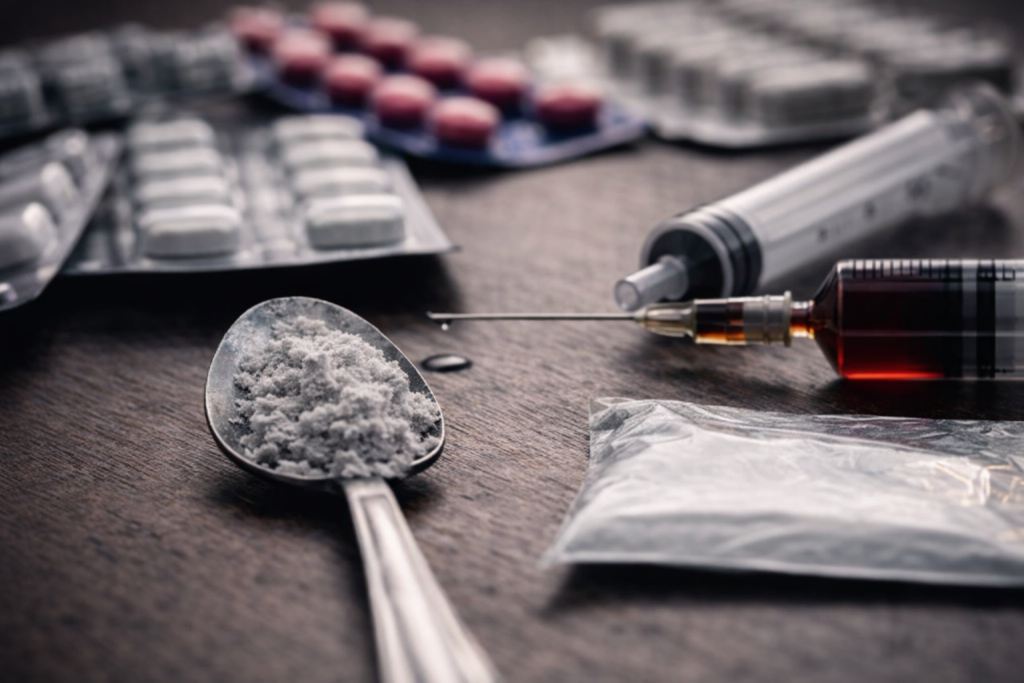
Addiction doesn’t just shake the body, it messes with the mind too and the emotional side of a person, you know in a very real way. Trying professional treatment at the Best Nasha Mukti Kendra in Punjab can make a difference, because it helps people get back control of their daily life with proper medical support, counseling, and recovery routines. In the rehab centres, there’s usually a calm, safe and supportive atmosphere where patients get the right mentorship ,so they can step away from substance abuse and shape a more healthier tomorrow. Understanding the Role of Rehabilitation Centres Rehabilitation centres are made to help individuals come out of alcohol and drug addiction using organized treatment methods. In these places, the focus stays on physical well-being and inner health as well, with medical detoxification, therapy sessions, fitness activities, and emotional support built into the schedule. People dealing with addiction often face anxiety and depression ,along with stress, weakness, and even social distance. A professional rehabilitation program tackles these issues step by step, and in time it helps patients return back to normal life, more steadier than before. Physical Recovery Through Rehabilitation Programs A big aim at rehabilitation centres is physical recovery, like actually helping the body get back on track. Long-term substance abuse can mess up the body, and it usually weakens the immune system. In these programs, patients tend to regain their bodily health, and they do it through a mix of medical and daily support such as: Medical Detoxification Detox is basically the first phase in addiction recovery. It works by helping clear harmful substances from the body, but it’s done under medical supervision . This step can ease withdrawal symptoms some, and it also makes patients ready for the next stage of care. Healthy Diet and Nutrition Addiction often causes bad eating habits, then nutritional deficiencies show up. Rehabilitation centres usually set up balanced meals and tailored nutrition plans, so patients can boost their overall wellbeing and also improve energy levels. Exercise and Fitness Activities Regular exercise , along with things like yoga and meditation, can build physical strength and at the same time lower stress levels. On top of that , these methods help patients build a healthier everyday routine, little by little, instead of falling into old patterns again. Mental and Emotional Recovery Addiction can really mess with a person’s mental well being. Many rehab centres focus on emotional healing in a way that feels more… steady, via counseling and therapy sessions. At the Best Rehabilitation Centre in Patiala, trained counselors and medical staff guide patients so they can understand the underlying reasons for addiction and build constructive coping strategies that actually help in day to day life. Individual Counseling Through one on one counseling sessions, people are able to talk, more freely, about what they’re dealing with—like their emotions, their triggers, and the stuff they usually keep inside. This kind of personal reflection builds self-awareness and it can push them forward toward recovery. Group Therapy In group therapy, patients get to meet others who are going through similar hurdles. When someone shares their own experience, it often lifts everyone else’s mood, gives confidence, and offers emotional backing, plus a bit more drive to keep going. Stress and Anxiety Management Most rehabilitation centres also add meditation, mindfulness practices, and stress regulation programs. The idea is to help patients stay mentally firm during recovery, even when days feel heavy or a little chaotic. Building Confidence and Social Skills Addiction tends to mess up relationships, it also chips away at self confidence. In rehabilitation centres, patients are guided to slowly rebuild trust, sharpen communication abilities and get back in touch with family members. They also join recreational, and motivating exercises that support a more upbeat attitude, so confidence comes back in a gradual way, not like overnight. Preventing Relapse and Long-Term Recovery Recovery is not really over once detox is done, or when therapy sessions finish. Many rehab centres teach relapse prevention techniques alongside steady routines, like healthier daily habits and coping strategies. Even after the main treatment, continued counseling plus aftercare support, makes it easier to stay sober and avoids falling back into the old cycle. Conclusion Rehabilitation centres have a big, important role in helping people heal mentally and physically from addiction. When treatment, counseling, medical care and emotional backing are in place, individuals can move past substance abuse and rebuild their lives with time. If you or someone close to you is dealing with addiction, reaching out to the Best Nasha Mukti Kendra in Patiala might be that first step toward a safer, healthier, addiction-free future.
Why Choose New Navjyoti Care Foundation for Addiction Treatment in Punjab
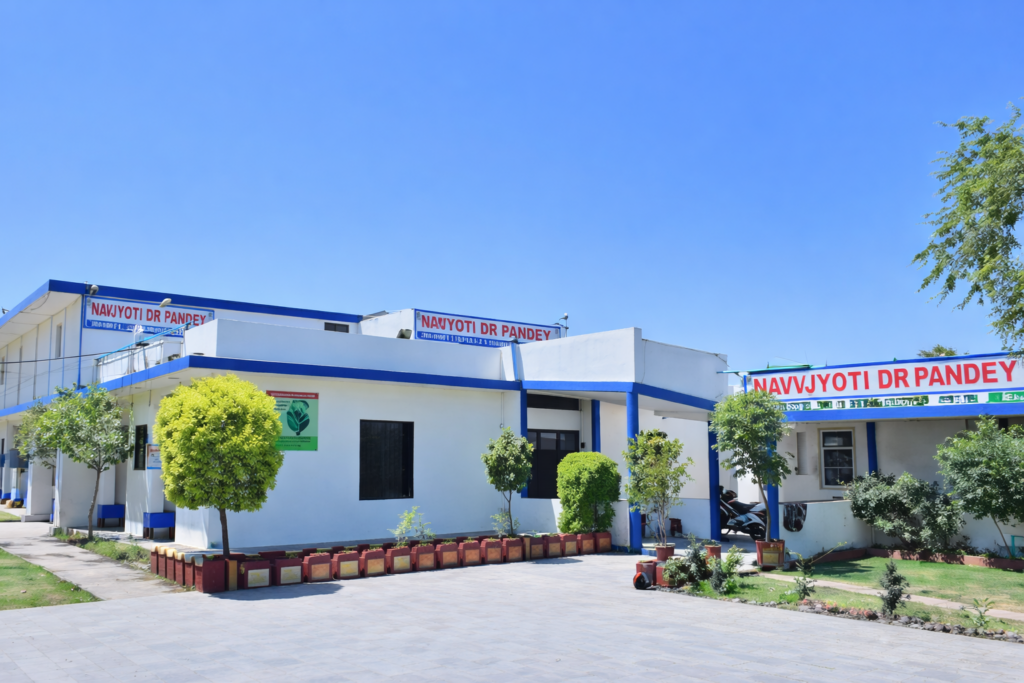
Addiction functions as a severe medical condition which impacts both the affected person and their relatives while decreasing their overall life satisfaction. The selection of an appropriate rehabilitation facility establishes the foundation for successful patient recovery. The New Navjyoti Care Foundation represents the best Nasha Mukti Kendra in Punjab which provides compassionate treatment through its effective care programs. Reasons to Choose New Navjyoti Care Foundation Experienced and Qualified Professionals The New Navjyoti Care Foundation treats patients through its team of skilled doctors and counselors who possess expertise in addiction treatment and support services. The medical practitioners use their knowledge to develop appropriate diagnostic procedures which they employ to establish precise treatment methods for each patient. Comprehensive Treatment Programs The foundation provides a complete range of services which includes detoxification and counseling and therapy sessions and aftercare support. The programs treat addiction through their examination of both physical symptoms and mental health issues which guarantees addicts achieve permanent recovery instead of just short-term relief. Personalized Care and Attention The team provides customized care because each patient has their own individual treatment requirements. The medical team develops treatment plans according to the patient’s specific medical needs and personal history and treatment objectives. The approach supports the achievement of better results which develop sustainable success. Safe and Supportive Environment The recovery process needs a positive environment which does not have any stressful elements. New Navjyoti Care Foundation provides its patients with a secure and tidy environment which enables them to concentrate on their recovery. The space promotes motivation and discipline along with self-improvement. Focus on Mental Health and Counseling Addiction is often linked with mental health issues such as stress and anxiety and depression. The foundation provides professional counseling and therapy sessions to assist patients in overcoming their emotional challenges while developing a strong recovery mindset. Holistic Approach to Recovery The center implements a comprehensive rehabilitation program which combines yoga and meditation and lifestyle modifications with medical treatment. This process enables patients to achieve complete well-being while they sustain equilibrium throughout their life after they complete treatment. Strong Aftercare Support Patients continue their recovery journey after they depart from the rehabilitation facility. New Navjyoti Care Foundation delivers ongoing aftercare services which help prevent relapse while assisting patients in their transition to a regular and healthy lifestyle. Conclusion Successful recovery begins with selecting an appropriate rehabilitation center for treatment. New Navjyoti Care Foundation provides expert medical treatment together with advanced rehabilitation techniques in a nurturing atmosphere to assist people in overcoming their addiction. The center provides effective treatment which leads to a healthy and addiction-free life for individuals who seek help here, making it one of the Best Nasha Mukti Kendra in Himachal Pradesh.
Why Early Treatment is Important for Addiction Recovery?
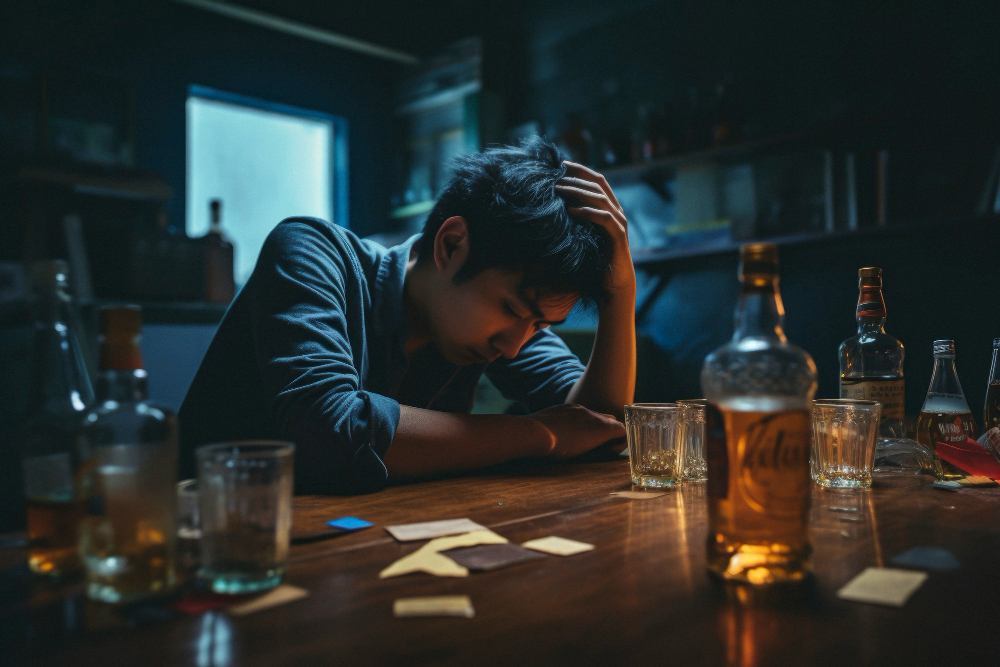
Addiction functions as a severe issue which damages both physical health and mental health and personal relationships and the total life experience of an individual. The chances of recovery increase when a person identifies their problem and asks for assistance at an earlier time. People who need treatment stay away from it because they experience three main obstacles which include fear and denial and lack of treatment knowledge. The right time to seek treatment at a Best Nasha Mukti Kendra in Patiala enables individuals to stop their condition from progressing into a harder-to-treat stage. Addiction exists as a medical condition which develops through bad habit patterns that alter both brain function and behavioral patterns. People can develop this condition because of multiple factors which include stress and peer pressure and traumatic experiences and their genetic makeup. Addiction leads to essential organ destruction and mental health deterioration and social withdrawal throughout its progression. If addiction remains untreated it will: Early treatment helps stop this damage before it becomes permanent. Benefits of Early Addiction Treatment 1. Prevents Severe Health Complications When addiction treatment begins at an early stage, the body has a greater chance to recover. The process of getting medical care needs to begin immediately because it prevents further permanent damage. The combination of early detox and medical assistance creates a pathway that decreases the chances of experiencing permanent health effects. 2. Easier Recovery Process Addiction treatment becomes simpler during its initial phase because its symptoms show less severity. The person shows more chances of achieving positive outcomes through therapy and counseling. Patients will experience shorter treatment times together with improved health outcomes. 3. Improves Mental Health The condition of addiction frequently coexists with mental health disorders which include stress and anxiety and depression. The initial treatment phase enables doctors to treat both conditions at once which results in improved health outcomes for patients. 4. Reduces Risk of Relapse People who enter treatment before their addiction develops fully learn effective coping skills which help them avoid relapsing while achieving lasting soberness. 5. Restores Relationships Faster Addiction creates obstacles that break down trust and relationships between people. Early recovery provides people with an opportunity to restore their relationships with family members before their situation worsens. Role of Professional Rehab Centres Professional rehab centres create a secure and organized space which supports patients during their recovery process. They provide detoxification services which combine with counseling and therapy and aftercare programs. The centres treat all aspects of addiction through their focus on physical and psychological treatment methods. Professional staff members who possess addiction expertise help patients navigate their recovery process through progressive assistance. People who enter rehab facilities at the start of treatment receive complete care along with emotional backing which boosts their chances of achieving success. Breaking the Stigma Around Treatment People postpone their medical care because they fear other people will judge them. Society often misunderstands addiction, making individuals feel ashamed to seek help. People need to recognize that addiction functions as a medical condition rather than a personal weakness. People who require help need two things: open conversations and dedicated support which will drive them to seek treatment at an earlier time. People who take their first step toward recovery will start living a better life at that moment.. Conclusion Successful addiction recovery depends on early intervention as the essential element. The process helps people stay healthy while making their recovery journey more effective and seamless. People can conquer their addiction through the combination of timely assistance and appropriate direction and their own strong willpower. People should contact a rehabilitation center for assistance after experiencing struggles with addiction, including their family members who need help, through trusted facilities such as the Best Nasha Mukti Kendra in Himachal Pradesh for their first step towards recovery.