
The Impact of Addiction on Mental Health and Self-Identity

Addiction can affect far more than a person’s physical health. Over time, substance dependence may change the way individuals think, feel, behave, and view themselves. Many people gradually lose confidence, struggle with relationships, and feel disconnected from the person they once were. Seeking timely professional support from a Best Rehabilitation Centre in Punjab can help individuals begin addressing both addiction and the emotional challenges connected with it. How Addiction Affects Mental Health Addiction and mental health are closely connected. Substance use may initially seem like a way to escape stress, emotional pain, loneliness, or difficult experiences. However, continued use can make emotional problems more difficult to manage. Individuals struggling with addiction may experience: These challenges can affect everyday life, making it difficult to maintain relationships, work responsibilities, and personal goals. Professional treatment can help individuals understand these patterns and develop healthier ways to cope with difficult emotions. When Addiction Changes Self-Identity Self-identity is the way people understand themselves, including their values, goals, relationships, and sense of purpose. Addiction can gradually affect this identity. A person who once saw themselves as a responsible parent, professional, student, or supportive family member may begin feeling defined only by their addiction. Repeated struggles, broken promises, and negative experiences can lead to thoughts such as, “I cannot change” or “I am not good enough.” Over time, individuals may stop participating in activities they once enjoyed and distance themselves from people who care about them. This can create a strong sense of isolation and make recovery feel even more difficult. The Cycle of Guilt and Substance Use One of the most challenging emotional effects of addiction is the cycle of guilt and substance use. A person may use substances to escape emotional pain. Later, the consequences of substance use can create guilt, shame, and regret, which may increase the desire to use substances again. Breaking this cycle often requires more than willpower alone. Counseling and professional rehabilitation can help individuals identify triggers, understand emotional patterns, and learn healthier coping strategies. Treatment focuses on helping patients recognize that addiction does not define their entire identity. Recovery can provide an opportunity to rebuild confidence and reconnect with personal values and goals. The Importance of Emotional Healing During Recovery Recovery is not only about stopping substance use. Emotional healing is also an important part of the process. Individuals may need time to understand the experiences that contributed to addiction and address the effects it has had on their lives. Counseling and therapy can help patients: With consistent support, individuals can begin replacing negative thoughts with a healthier and more balanced view of themselves. Rebuilding Self-Identity After Addiction Recovery can give individuals the opportunity to rediscover who they are beyond addiction. This process may involve reconnecting with family, returning to hobbies, developing new interests, or setting goals for the future. Rebuilding self-identity does not happen overnight. Small positive changes can make a meaningful difference. Maintaining healthy routines, participating in therapy, and surrounding oneself with supportive people can help strengthen confidence over time. It is also important to recognize progress. Every healthy decision, recovery milestone, and positive change can remind individuals of their ability to move forward. The Role of Family and Support Systems Addiction can affect the entire family, but loved ones can also play an important role in recovery. Supportive communication can help individuals feel understood without encouraging harmful behavior. Family members can contribute to the healing process by learning about addiction, participating in counseling when appropriate, and maintaining healthy boundaries. Recovery often becomes stronger when individuals have a positive support system around them. At the same time, family members should understand that recovery is a personal journey. Patience, encouragement, and professional guidance can help create a healthier environment for everyone involved. Professional Support Can Help Create a New Beginning For many people, asking for help is one of the most difficult steps. Feelings of shame or fear may prevent them from seeking treatment. However, professional rehabilitation provides a structured environment where individuals can focus on recovery and emotional well-being. A comprehensive treatment approach may include counseling, behavioral therapies, group support, family involvement, and relapse-prevention planning. These services can help individuals address both the challenges of addiction and the emotional effects that may have developed over time. Conclusion Addiction can significantly affect mental health and cause individuals to lose confidence in their identity, relationships, and future. However, recovery can offer an opportunity to heal, rebuild self-worth, and rediscover a sense of purpose. With professional treatment, emotional support, and continued commitment, positive change is possible. For individuals and families searching for the Best Nasha Mukti Kendra in Punjab, choosing a supportive treatment centre with a focus on both addiction recovery and emotional healing can be an important first step toward rebuilding a healthier and more meaningful life.
How Addiction Changes a Family and How Healing Brings It Back Together

Addiction does not affect only the person struggling with drugs or alcohol. It can gradually change the entire family dynamic, creating stress, mistrust, communication problems, and emotional distance. Parents may constantly worry about their child, spouses may struggle with broken trust, and children may experience confusion or fear. Finding professional support can help families begin the healing process. Choosing a Best Rehabilitation Centre in Punjab can provide the structured care, counseling, and guidance needed to support both the individual and their loved ones. How Addiction Affects Family Relationships When addiction becomes part of everyday life, family members often find themselves adapting to unpredictable situations. Missed responsibilities, financial difficulties, mood changes, and repeated promises to quit can gradually weaken relationships. Some common effects include: Over time, family members may begin focusing entirely on managing the addiction instead of maintaining healthy relationships. The Emotional Burden on Loved Ones Living with someone affected by addiction can be emotionally exhausting. Family members may experience anger, sadness, guilt, frustration, or helplessness. Parents may wonder whether they could have done something differently, while spouses may struggle to understand why their loved one continues using substances despite the consequences. It is important to remember that addiction is a complex condition. Blaming either the individual or the family rarely solves the problem. Professional guidance can help everyone understand addiction and approach recovery in a healthier way. When Trust Begins to Break Trust is often one of the first things affected by addiction. Individuals may hide their substance use, make promises they cannot keep, or borrow money to support their addiction. Even after they decide to recover, family members may find it difficult to trust them immediately. Rebuilding trust takes time. It requires consistent actions rather than promises. Small changes, honest communication, responsible behavior, and continued participation in treatment can gradually help repair damaged relationships. How New Nav Jyoti Care Foundation Supports Families At New Nav Jyoti Care Foundation, recovery is viewed as more than simply stopping substance use. Families also need guidance to understand what their loved one is experiencing and how they can provide appropriate support. The rehabilitation process may include counseling, behavioral therapies, group sessions, family support, and relapse-prevention planning. These approaches can help individuals understand their triggers while giving families practical ways to communicate and encourage healthier behavior. A supportive environment can make it easier for patients to focus on recovery without feeling judged or isolated. At the same time, family involvement can help create stronger emotional connections that continue after treatment. The Role of Family Counseling Family counseling can be an important part of addiction recovery. It creates a safe space where family members can discuss concerns, express emotions, and learn healthier communication techniques. Family counseling may help with: Improving Communication Instead of blaming or criticizing one another, family members can learn to communicate their concerns calmly and clearly. Understanding Addiction Education about addiction can help families understand why recovery may involve setbacks and why professional treatment can be necessary. Rebuilding Relationships Open conversations and consistent support can gradually help repair emotional connections that were damaged by addiction. Establishing Healthy Boundaries Supporting someone does not mean accepting harmful behavior. Families can learn how to maintain boundaries while still offering encouragement. Recovery Can Bring Families Closer Although addiction can create significant challenges, recovery can also become an opportunity for families to rebuild their relationships. As individuals begin developing healthier routines and taking responsibility for their actions, family members may slowly regain confidence in them. Simple activities can help strengthen these connections: Healing does not happen overnight. Every positive step can contribute to restoring family stability. Supporting Recovery After Rehabilitation Completing rehabilitation is an important milestone, but family support remains valuable afterward. Returning to everyday life can bring familiar stressors and triggers, making continued guidance important. Families can support long-term recovery by encouraging healthy routines, avoiding unnecessary judgment, recognizing progress, and staying alert to possible warning signs of relapse. At the same time, family members should also look after their own emotional well-being. Supporting someone through addiction can be demanding, and seeking professional guidance when needed can benefit the entire household. Moving Forward Together Addiction can leave families feeling disconnected, but it does not have to define their future. With professional treatment, patience, communication, and consistent support, relationships can gradually become stronger again. For families searching for the Best Nasha Mukti Kendra in Punjab, choosing a facility that combines professional addiction treatment with emotional and family support can be an important step toward lasting recovery. Healing is a journey for the whole family. When individuals receive the right treatment and loved ones learn how to support recovery without losing healthy boundaries, families can begin rebuilding trust, restoring relationships, and creating a more hopeful future together.
The Power of Routine: How Structured Daily Habit-Building Defeats Addiction

Conquering an addiction is not usually a matter of simply using one’s will power. From personal experience, watching a loved one go through such a struggle or going through the struggle themselves, there is an understanding that the substance is just the beginning. The challenge comes when relearning what to do with the rest of the time.In active addiction, all of the time becomes filled by the chaotic loop of hunting for, consuming, and detoxifying from the substance. When the cycle ends, it creates a large and frightening void. This is when the structured environment of a modern rehabilitation center, or Nasha Mukti Kendra, becomes an actual lifesaver. You need to visit the Best Nasha Mukti Kendra in Himachal Pradesh. By turning erratic behavior into reliable patterns of health, structure creates the neural wiring necessary for sobriety. 1. The Neuroscience of Structure: Rewiring the Addicted Brain Addiction takes over the reward centers of the brain, in particular dopamine. Chemicals and alcohol fill the brain with pleasure, and the brain learns not to be happy with the normal activities of life anymore. Without the chemicals, the brain lacks dopamine, resulting in strong cravings, irritability, and low moods. A strict schedule is medicine for a recovering brain. As an individual maintains consistent wake-up times, mealtimes, exercise times, and therapy sessions, their mind is calmed. Routine lowers cortisol and adrenaline in the body. In addition, by achieving small tasks every day, the body continuously receives dopamine in a healthy and moderate form. This reprogramming shows the brain that it is possible to feel fulfilled and secure without chemicals. 2. Breaking the “Idleness Trigger” Through Micro-Habits There is a saying among the recovery community that “an idle mind is the devil’s workshop”. As far as detoxification is concerned, idleness is the worst trigger. Idleness will obviously lead to overthinking and reminiscence of bad habits. Routines counteract idleness by breaking up the day into small units of activities. In a professional recovery environment, a typical day will be organized to ensure that there is no room left for isolation: Only concentrating on the next small task—be it making the bed or participating in group therapy—makes the idea of “forever” into hourly accomplishments. 3. Replacing Maladaptive Coping with Emotional Outlets Individuals do not begin using substances to ruin their lives but rather to numb themselves from any sort of emotional suffering, pain, trauma, and stress. Once stress inevitably sets in while someone is in recovery, that person who does not have a schedule of some kind will automatically fall back on his or her old coping technique – the substance. Through scheduling daily activities, mandatory healthy outlets of emotional release become a part of one’s day. Sessions dedicated to individual psychotherapy, CBT, and group sharing sessions make individuals develop a habit of dealing with their emotions on a conscious level. Instead of suppressing anxiety, they begin speaking about it. 4. Rebuilding Self-Esteem Brick by Brick Addiction robs a person of dignity, self-respect, and self-confidence. The promises made to family are not kept, responsibilities are forgotten, and self-respect is lost. A person cannot be talked into having self-respect again; they must regain it through actions. The structure becomes the vehicle through which these actions can be carried out. Once a person manages to commit to an exercise for 30 days, 60 days, or 90 days, there is a very deep change that happens within them. By waking up at a certain time each day, by doing the chores on time, and by appearing before people in time makes one reliable. It gives one the assurance about his/her identity. One is no longer an addict but a reliable individual. The Ultimate Benefit: Creating a Shield for the Real World However, the true proof of the routine followed by a Nasha Mukti Kendra lies not within the four walls but outside when the individual comes out to face reality. The foremost cause of the relapse of an individual after the period of his stay at the center can be attributed to the sudden shock due to the absence of any routine in freedom. Nevertheless, the individual who has been following a routine throughout the period of his stay is protected by an invisible armor. Conclusion Beating an addiction is not about battling the past. Instead, it is about constructing a new future which is so structured and well organized that there is simply no place left for the addictions to fit into.
Why Choose New Navjyoti Care Foundation for Addiction Treatment in Punjab
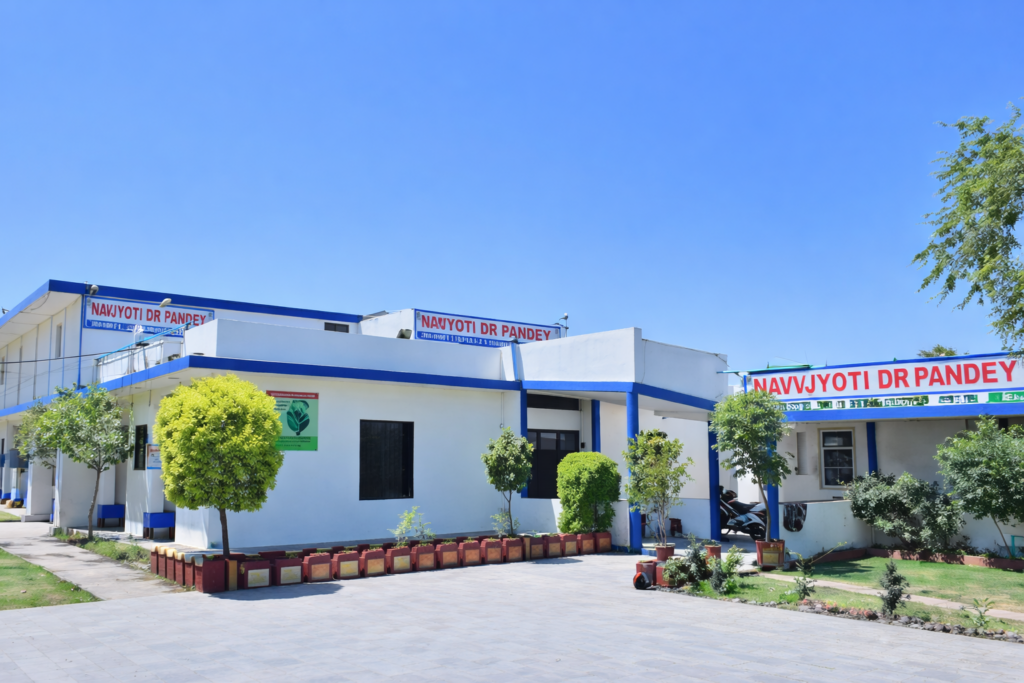
Addiction functions as a severe medical condition which impacts both the affected person and their relatives while decreasing their overall life satisfaction. The selection of an appropriate rehabilitation facility establishes the foundation for successful patient recovery. The New Navjyoti Care Foundation represents the best Nasha Mukti Kendra in Punjab which provides compassionate treatment through its effective care programs. Reasons to Choose New Navjyoti Care Foundation Experienced and Qualified Professionals The New Navjyoti Care Foundation treats patients through its team of skilled doctors and counselors who possess expertise in addiction treatment and support services. The medical practitioners use their knowledge to develop appropriate diagnostic procedures which they employ to establish precise treatment methods for each patient. Comprehensive Treatment Programs The foundation provides a complete range of services which includes detoxification and counseling and therapy sessions and aftercare support. The programs treat addiction through their examination of both physical symptoms and mental health issues which guarantees addicts achieve permanent recovery instead of just short-term relief. Personalized Care and Attention The team provides customized care because each patient has their own individual treatment requirements. The medical team develops treatment plans according to the patient’s specific medical needs and personal history and treatment objectives. The approach supports the achievement of better results which develop sustainable success. Safe and Supportive Environment The recovery process needs a positive environment which does not have any stressful elements. New Navjyoti Care Foundation provides its patients with a secure and tidy environment which enables them to concentrate on their recovery. The space promotes motivation and discipline along with self-improvement. Focus on Mental Health and Counseling Addiction is often linked with mental health issues such as stress and anxiety and depression. The foundation provides professional counseling and therapy sessions to assist patients in overcoming their emotional challenges while developing a strong recovery mindset. Holistic Approach to Recovery The center implements a comprehensive rehabilitation program which combines yoga and meditation and lifestyle modifications with medical treatment. This process enables patients to achieve complete well-being while they sustain equilibrium throughout their life after they complete treatment. Strong Aftercare Support Patients continue their recovery journey after they depart from the rehabilitation facility. New Navjyoti Care Foundation delivers ongoing aftercare services which help prevent relapse while assisting patients in their transition to a regular and healthy lifestyle. Conclusion Successful recovery begins with selecting an appropriate rehabilitation center for treatment. New Navjyoti Care Foundation provides expert medical treatment together with advanced rehabilitation techniques in a nurturing atmosphere to assist people in overcoming their addiction. The center provides effective treatment which leads to a healthy and addiction-free life for individuals who seek help here, making it one of the Best Nasha Mukti Kendra in Himachal Pradesh.
Why Early Treatment is Important for Addiction Recovery?

Addiction functions as a severe issue which damages both physical health and mental health and personal relationships and the total life experience of an individual. The chances of recovery increase when a person identifies their problem and asks for assistance at an earlier time. People who need treatment stay away from it because they experience three main obstacles which include fear and denial and lack of treatment knowledge. The right time to seek treatment at a Best Nasha Mukti Kendra in Patiala enables individuals to stop their condition from progressing into a harder-to-treat stage. Addiction exists as a medical condition which develops through bad habit patterns that alter both brain function and behavioral patterns. People can develop this condition because of multiple factors which include stress and peer pressure and traumatic experiences and their genetic makeup. Addiction leads to essential organ destruction and mental health deterioration and social withdrawal throughout its progression. If addiction remains untreated it will: Early treatment helps stop this damage before it becomes permanent. Benefits of Early Addiction Treatment 1. Prevents Severe Health Complications When addiction treatment begins at an early stage, the body has a greater chance to recover. The process of getting medical care needs to begin immediately because it prevents further permanent damage. The combination of early detox and medical assistance creates a pathway that decreases the chances of experiencing permanent health effects. 2. Easier Recovery Process Addiction treatment becomes simpler during its initial phase because its symptoms show less severity. The person shows more chances of achieving positive outcomes through therapy and counseling. Patients will experience shorter treatment times together with improved health outcomes. 3. Improves Mental Health The condition of addiction frequently coexists with mental health disorders which include stress and anxiety and depression. The initial treatment phase enables doctors to treat both conditions at once which results in improved health outcomes for patients. 4. Reduces Risk of Relapse People who enter treatment before their addiction develops fully learn effective coping skills which help them avoid relapsing while achieving lasting soberness. 5. Restores Relationships Faster Addiction creates obstacles that break down trust and relationships between people. Early recovery provides people with an opportunity to restore their relationships with family members before their situation worsens. Role of Professional Rehab Centres Professional rehab centres create a secure and organized space which supports patients during their recovery process. They provide detoxification services which combine with counseling and therapy and aftercare programs. The centres treat all aspects of addiction through their focus on physical and psychological treatment methods. Professional staff members who possess addiction expertise help patients navigate their recovery process through progressive assistance. People who enter rehab facilities at the start of treatment receive complete care along with emotional backing which boosts their chances of achieving success. Breaking the Stigma Around Treatment People postpone their medical care because they fear other people will judge them. Society often misunderstands addiction, making individuals feel ashamed to seek help. People need to recognize that addiction functions as a medical condition rather than a personal weakness. People who require help need two things: open conversations and dedicated support which will drive them to seek treatment at an earlier time. People who take their first step toward recovery will start living a better life at that moment.. Conclusion Successful addiction recovery depends on early intervention as the essential element. The process helps people stay healthy while making their recovery journey more effective and seamless. People can conquer their addiction through the combination of timely assistance and appropriate direction and their own strong willpower. People should contact a rehabilitation center for assistance after experiencing struggles with addiction, including their family members who need help, through trusted facilities such as the Best Nasha Mukti Kendra in Himachal Pradesh for their first step towards recovery.
Addicted to Brown Sugar? Get Rid of It Through Effective Treatment!

“Brown sugar” – Beware! It is not a culinary sweetener. Rather, it is a highly addictive and adulterated form of heroin. It is a semi-synthetic form of opioid, which is usually referred to as “junk,” “smack,” and “dope,” and is specifically prevalent in many parts of India. Brown sugar is composed of 20% pure heroin, which is mixed with 80% impurities like zinc oxide, chalk powder, and strychnine, as well as other contaminants. Being rapidly addictive, its addiction intensity depends on the development within a few uses because of its direct impact on the dopamine reward system of the brain. The consumption methods of this addictive substance are commonly smoked. It is heated on tin foil, which is usually known as chasing the dragon. It is then snorted or dissolved in acid and injected thereafter. To get rid of the addiction, it is advised that you must visit the best Nasha Mukti Kendra in Himachal Pradesh. Symptoms of addiction to Brown Sugar The majority of users of brown sugar have noticed — Withdrawal symptoms If you stop the drug, it can induce intense withdrawal, which includes The withdrawal symptoms lead the users to continue using the drug only in order to avoid these withdrawal symptoms. Effects and key dangers of neon sugar addiction Treatment of the addiction to brown sugar and Recovery Treatment is crucial to break the cycle of addiction. It often includes – The recovery after the addiction to brown sugar often involves medical detoxification, which helps in the management of withdrawal. It is followed by behavioral therapies such as CBT – Cognitive Behavioral Therapy, as well as counselling. Conclusion Excessive consumption of culinary brown sugar – sucrose can also trigger brain reward pathways, which are similar to addictive drugs that lead to tolerance,cravings, and withdrawal symptoms such as depression and fatigue, but this is a behavioral or metabolic issue and not an illegal opioid addiction. In case you know someone who is struggling, you must help them by suggesting the best Nasha Mukti Kendra in Punjab, specifically those who are specialists in opioid addiction, which is crucial for the safety and long-term recovery of the individual.
Why Professional Help Is Important for Addiction Recovery?

Addiction manifests through physical symptoms and mental symptoms and behavioral symptoms which create a multifaceted condition. People attempt to stop drinking but they face difficulties because of their withdrawal symptoms and emotional difficulties. The Best Nasha Mukti Kendra in Punjab provides a proper environment with medical support and professional guidance which enables clients to start their path toward complete recovery. Understanding Addiction as a Disease Addiction exists as a permanent medical condition which alters the functioning of the brain. Alcohol and drug substances disrupt brain chemical processes which create an inability for people to manage their cravings. Addiction progresses into a severe condition which produces dangerous results for health and social life and financial status without appropriate treatment. Why Self-Recovery Often Fails Many people believe they can overcome addiction through willpower alone. However, quitting suddenly can lead to: People face difficulty in their recovery process because they need professional assistance to deal with their challenges. Benefits of Professional Help in Addiction Recovery 1. Medical Supervision and Safe Detox The process of detoxification represents the essential starting point of the recovery process. The medical team maintains safe treatment conditions by observing withdrawal symptoms and administering required medications. 2. Personalized Treatment Plans Each person experiences their unique path through addiction. Rehabilitation centres develop personalized treatment programs which base their treatments on the patient’s medical status and personal history and individual requirements. 3. Psychological Counseling and Therapy Addiction connects to various emotional and psychological disorders. The root causes of addiction can be treated through Cognitive Behavioral Therapy (CBT) group therapy and individual counseling. 4. Structured and Supportive Environment A rehabilitation centre creates a structured atmosphere which prevents all interruptions to support patients in their complete treatment process. 5. Relapse Prevention Strategies The process of recovery from addiction faces its most difficult challenge through repeated substance use. Professionals teach people how to handle stress and develop coping methods and implement healthy lifestyle changes to maintain their sobriety. Role of Family and Community Support The process of professional treatment includes both family counseling and support system development. Family members need to learn about addiction because their participation in recovery activities will lead to better long-term success rates. Long-Term Recovery and Aftercare The recovery process continues after a person completes detoxification and their first rehabilitation program. To achieve long-term sobriety, people need continuous support together with follow-up sessions and aftercare programs. The professional centers at their main facilities provide guidance to their clients, which helps them adjust to regular life after their treatment ends. Conclusion Addiction recovery is not a journey that should be taken alone. The medical knowledge and emotional backing together with the structured recovery framework of professional assistance create essential components for successful long-term recovery. The Best Rehabilitation Centre in Punjab provides complete treatment which gives individuals the highest possibility of achieving a healthy life without addiction.